
Tips for Choosing Comfortable Home Lighting That Enhances Your Space
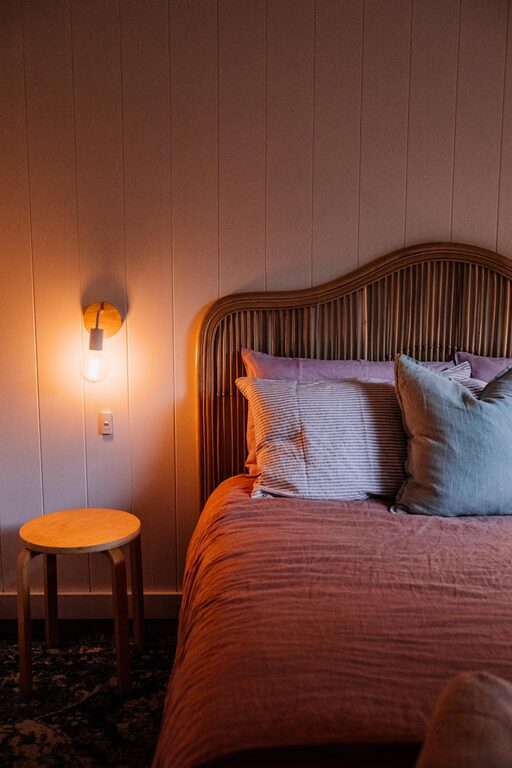
Creating a comfortable home environment goes beyond furniture and color choices—it often hinges on proper lighting. The right lighting not only illuminates your space but also sets the mood, supports your daily activities, and enhances the overall feel of your home. Choosing comfortable home lighting involves balancing functionality, style, and comfort to achieve a welcoming atmosphere. In this post, we’ll explore practical tips to help you select lighting that makes your home comfortable and inviting.
Why Comfortable Lighting Matters
Before diving into tips, it’s helpful to understand why comfortable lighting is important. Harsh or inadequate lighting can cause eye strain, headaches, and fatigue. On the other hand, well-planned lighting can boost productivity, relaxation, and even improve sleep quality. Comfortable lighting adapts to your lifestyle and space, creating an atmosphere that feels just right.
Key Factors to Consider When Choosing Home Lighting
1. Understand Different Types of Lighting
Home lighting generally falls into three categories:
– Ambient lighting: The primary source of light that provides overall illumination (e.g., ceiling fixtures, chandeliers).
– Task lighting: Focused lighting for specific activities like reading or cooking (e.g., desk lamps, under-cabinet lights).
– Accent lighting: Used to highlight design features such as artwork or architectural details (e.g., spotlights, wall sconces).
Balancing all three types ensures your home is well-lit and visually appealing.
2. Choose the Right Bulb
Lighting comfort often starts with the bulb you choose. Here are some options and what to look for:
– Color temperature: Measured in Kelvins (K), this affects the mood of your room.
– Warm light (2700K-3000K): Soft and cozy, perfect for living rooms and bedrooms.
– Neutral light (3500K-4100K): Balanced, good for kitchens and bathrooms.
– Cool light (5000K+): Bright and energizing, ideal for workspaces.
– Brightness (lumens): Higher lumens mean brighter light. Adjust your bulbs based on the room’s size and purpose.
– Energy efficiency: LED bulbs are popular for their longevity and low energy use.
3. Consider Dimmers
Installing dimmers allows you to adjust lighting intensity to suit different times of the day or activities. This is especially valuable in living rooms and bedrooms where you may want bright light for chores and softer light for relaxation.
4. Think About Fixture Placement
Where your light fixtures are located can dramatically affect comfort:
– Avoid glare by positioning lights away from screens or seating areas.
– Use multiple light sources in larger rooms to reduce shadows.
– Place task lighting close to where the work happens, like near a desk or kitchen counter.
Creating Comfortable Lighting for Different Rooms
Living Room
– Use a mix of ambient lighting (ceiling lights or recessed lights) and accent lighting (table lamps or sconces).
– Warm light bulbs create a cozy atmosphere.
– Dimmers help modify mood effortlessly.
Kitchen
– Opt for bright, neutral light to ensure proper visibility.
– Combine ceiling lights with under-cabinet task lighting for countertop work.
– Consider adjustable fixtures to focus light where you need it most.
Bedroom
– Warm, soft lighting promotes relaxation.
– Use bedside lamps or sconces for reading.
– Adding a dimmer switch can help transition from active to calm environments.
Bathroom
– Bright, cool light helps with grooming and makeup.
– Use fixtures on either side of mirrors to reduce shadows on the face.
– Consider moisture-resistant fixtures for durability.
Helpful Tips for Enhancing Comfort with Lighting
– Use natural light whenever possible to complement artificial lighting. Keep windows clear and consider sheer curtains.
– Choose lampshades and fixtures that diffuse light smoothly rather than harshly.
– Regularly clean light fixtures to maintain brightness and comfort.
– Experiment with smart lighting systems that allow you to customize color and brightness via your phone.
– Avoid overly bright bulbs in relaxing spaces to prevent discomfort and disrupted circadian rhythms.
Final Thoughts
Choosing comfortable home lighting is both an art and a science. By understanding the types of lighting, selecting appropriate bulbs, using dimmers, and carefully placing fixtures, you can create an inviting and functional home environment. Remember to tailor lighting choices to each room’s purpose while keeping your personal comfort in mind. With a little planning, your home can become a beautifully lit space where you feel relaxed and energized all at once.
—
We hope these tips help you make smart lighting choices that enhance your home’s comfort and style. Feel free to share your own lighting ideas or questions in the comments below!