
How to Create a Relaxing Home Workspace for Better Focus

Creating a relaxing home workspace is essential for maintaining focus, creativity, and well-being while working remotely. A space that feels calm and inviting can help reduce stress and improve productivity throughout your day. Whether you have a dedicated room or just a corner in your living area, with the right approach, you can design a workspace that supports both comfort and efficiency.
In this guide, we’ll explore practical tips on how to create a home workspace that’s both relaxing and functional.
Why a Relaxing Workspace Matters
Working from home has become the new norm for many, but it comes with its own set of challenges. Distractions, clutter, and discomfort can lead to decreased productivity and job satisfaction. A relaxing workspace helps by:
– Lowering stress levels
– Improving concentration
– Encouraging better posture and comfort
– Making work feel more enjoyable and less like a chore
With this in mind, the design and setup of your workspace become even more important.
Choose the Right Location
The first step is selecting the right spot in your home. Ideally, your workstation should be:
– Quiet: Away from household noise and foot traffic
– Bright: Near a window with plenty of natural light if possible
– Spacious enough: Allow room for your desk, chair, and any other essentials
If you don’t have an entire room to dedicate, pick a consistent corner or nook that you can keep set up and organized.
Invest in Comfortable Furniture
Comfort is key in a relaxing workspace. Consider these furniture tips:
Ergonomic Chair
An ergonomic chair supports good posture and reduces back strain. Look for:
– Adjustable height and back support
– Comfortable cushioning
– Swivel and mobility features
Desk
Choose a desk that fits your space and needs. Some ideas include:
– Standard desk for writing and computer work
– Adjustable standing desk for alternating positions
– Compact desks for small areas
Make sure your desk height allows your forearms to be parallel to the floor when typing or writing.
Optimize Lighting
Good lighting reduces eye strain and enhances mood.
– Natural light: Position your desk near a window to make the most of daylight.
– Task lighting: Use a desk lamp with adjustable brightness for focused tasks.
– Soft ambient lighting: Consider warm-toned bulbs to create a cozy atmosphere.
Avoid glare on your computer screen by adjusting the angle or using blinds and curtains.
Declutter and Organize
A cluttered desk can feel chaotic. Keep your workspace tidy to promote relaxation and focus. Tips include:
– Use organizers like trays, pen holders, and file boxes
– Store rarely used items away from your immediate desk area
– Keep only essential items on your desktop
– Schedule regular cleaning and decluttering sessions
Digital clutter matters too — organize files and folders on your computer for easy access.
Add Soothing Elements
Incorporate calming touches that make your workspace inviting:
– Plants: Indoor plants boost air quality and add a touch of nature.
– Personal items: A few meaningful photos or artwork can inspire and comfort you.
– Soft textiles: A cozy rug or cushion can add warmth and softness.
– Aromatherapy: Scented candles or essential oil diffusers with lavender or eucalyptus can promote calm.
Just be mindful not to overload your space and keep these elements balanced.
Minimize Noise and Distractions
Sound can impact your ability to focus. Here’s how to create a quieter workspace:
– Use noise-cancelling headphones or white noise machines if needed
– Close doors or use room dividers to separate your work area
– Communicate with household members about your work hours
– Turn off unnecessary notifications on your devices
Establish a Routine and Boundaries
A relaxing workspace also involves habits and routines:
– Set regular work hours and breaks to keep your mind fresh
– Use your workspace only for work to create a mental boundary
– Avoid eating or watching TV in your work area
– Take brief breaks to stretch or step outside for fresh air
Consistent routines help maintain the serenity and productivity of your space.
Personalize Thoughtfully
Make the space your own but avoid excessive decorations that may distract. Choose colors and items that make you feel calm and motivated. For example:
– Soft blues and greens for tranquility
– Inspirational quotes or vision boards for encouragement
– A favorite mug or notebook for a cheerful vibe
This balance supports both comfort and focus.
Final Thoughts
Creating a relaxing home workspace doesn’t require expensive or complicated changes. By focusing on comfort, lighting, organization, and subtle personalization, you can design a space that helps you stay calm, focused, and productive. Start small, experiment with what works for you, and enjoy the benefits of a well-crafted work environment right at home.
Related Post
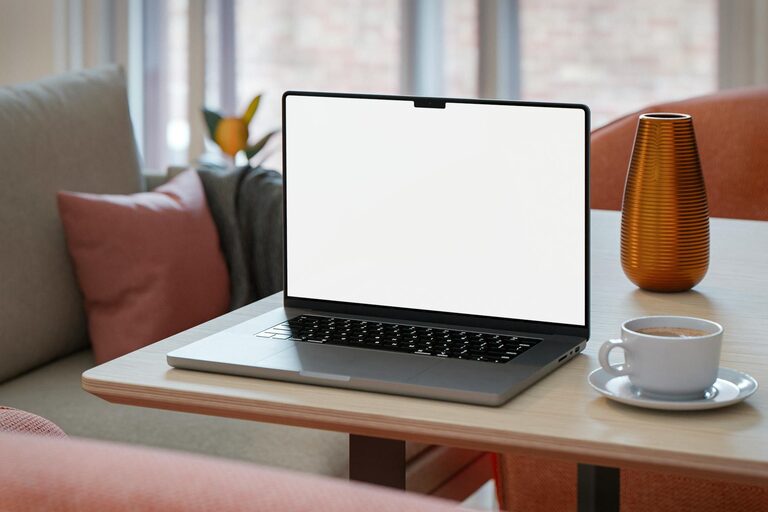
How to Create a Relaxing Home Workspace for Better Focus
Discover easy tips to design a soothing home workspace that boosts productivity and reduces stress [...]
Cozy Evenings Without Screens: Enjoy Relaxing Offline Activities
Discover creative and soothing ideas for cozy evenings without screens that help you unwind, connect, [...]

How to Rotate and Care for Bedding Properly for a Restful Sleep
Learn simple tips to rotate and care for your bedding to extend its life and [...]