
Beginner Tips for Backyard Birdwatching: A Simple Guide to Get Started
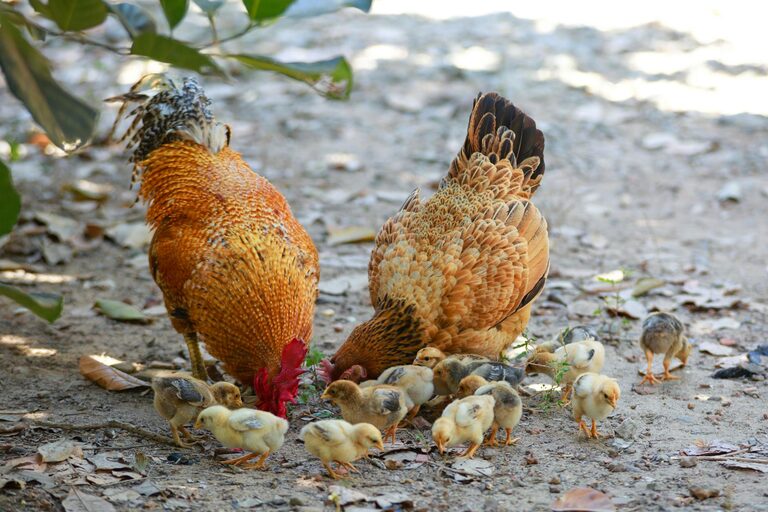
Birdwatching is a relaxing and rewarding hobby, perfect for anyone looking to connect with nature from the comfort of their own backyard. Whether you have a large garden or a small balcony, watching birds can bring joy and curiosity to your daily routine. If you’re new to birdwatching, this guide will help you get started with simple, practical tips to attract birds, identify them, and enjoy this peaceful activity.
Why Backyard Birdwatching?
Birdwatching doesn’t require expensive equipment or traveling to remote locations. Your backyard can become a mini wildlife sanctuary where you observe a variety of bird species throughout the year. It’s also a great way to learn about local wildlife and support conservation efforts by creating bird-friendly spaces.
Getting Started: What You’ll Need
Basic Equipment
– Binoculars: A pair of lightweight binoculars will enhance your birdwatching experience, making distant birds easier to see.
– Bird Guide: Books or smartphone apps can help you identify bird species by appearance and song.
– Notebook or Journal: Keep track of the birds you see to learn and enjoy your progress.
– Bird Feeder: Attract birds to your yard with the right feeder and food.
– Water Source: A birdbath or shallow dish of water invites birds to drink and bathe.
Setting Up Your Space
Choose a quiet spot in your yard or balcony. Try to position bird feeders and water sources near bushes or trees, which offer birds shelter and perching spots.
Choosing the Right Birdfeeders and Food
Types of Feeders
– Platform Feeders: Simple trays that attract many bird species but keep food exposed to weather.
– Tube Feeders: Great for small birds like finches and chickadees.
– Suet Feeders: Attract insect-eating birds, especially in cooler months.
– Hummingbird Feeders: Use nectar to attract hummingbirds in warmer seasons.
Best Bird Food for Beginners
– Black-oil Sunflower Seeds: Favored by many common backyard birds.
– Nyjer (Thistle) Seeds: Attract finches.
– Suet Cakes: Provide energy-rich food during winter.
– Peanuts (unsalted): Loved by woodpeckers and jays.
– Nectar: For hummingbirds, mix four parts water to one part sugar; avoid red dye.
Creating a Bird-friendly Backyard Environment
– Plant Native Trees and Shrubs: Provide shelter, nesting sites, and natural food sources.
– Avoid Pesticides: These can harm birds and the insects they feed on.
– Provide Natural Nesting Materials: Leave some leaf litter or small twigs.
– Offer Fresh Water: Regularly clean and refill birdbaths.
Tips for Observing Birds
Be Patient and Quiet
Birds are sensitive to noise and sudden movements. Approach slowly and find a comfortable spot where you can sit and watch without disturbing them.
Note the Details
Watch for bird size, colors, beak shape, behavior, and flight patterns. These clues help with identification.
Use Technology Wisely
Many apps and websites provide bird identification help, song recordings, and community forums.
Learning to Identify Birds
Common Backyard Birds
– American Robin
– Northern Cardinal
– Blue Jay
– Mourning Dove
– House Sparrow
– Chickadee
– Goldfinch
– Woodpecker
Identification Tips
– Focus on key features such as plumage color, markings, and size.
– Listen to bird calls and songs; many apps can help you match sounds.
– Use your guidebook or app to compare observations.
Keeping a Birdwatching Journal
Recording your sightings can make your hobby more engaging:
– Note date, time, location, weather.
– Describe bird behaviors.
– Sketch or photograph if possible.
– Track seasonal changes and migration.
Benefits of Backyard Birdwatching
– Reduces stress and promotes relaxation.
– Encourages outdoor activity and curiosity.
– Educates about wildlife and ecosystems.
– Makes a great family-friendly hobby.
– Supports conservation efforts by raising awareness.
Final Thoughts
Backyard birdwatching is a wonderful way to enjoy nature every day. By attracting birds with the right food and environment, observing patiently, and learning about different species, your home can become a hub for feathered visitors. Grab your binoculars, set up a feeder, and let the discovery begin!
Happy birdwatching!